
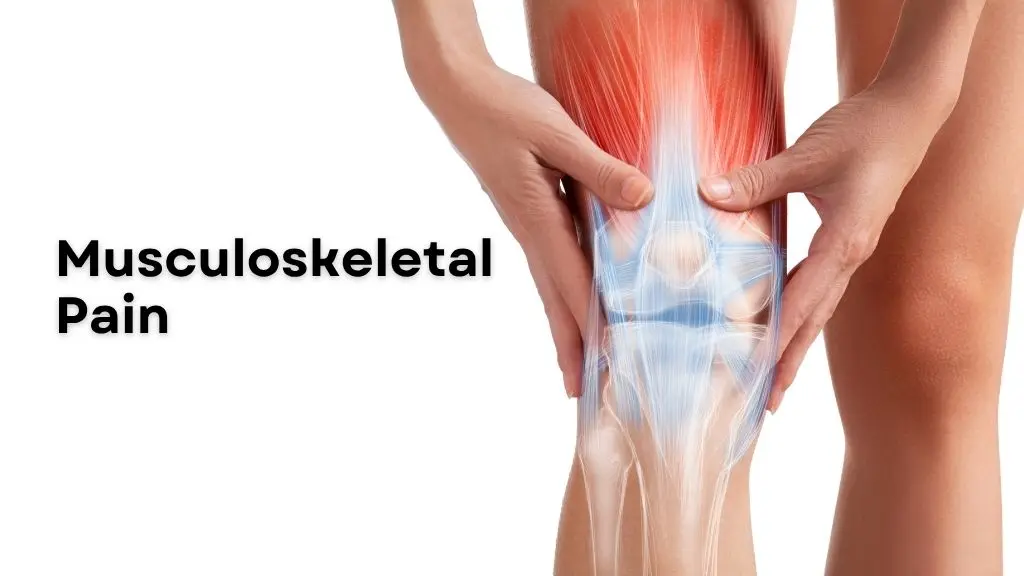
What is Musculoskeletal Pain
Musculoskeletal pain is discomfort that affects your muscles, bones, joints, tendons, and ligaments. These are the parts that help your body move and stay strong. This type of pain can happen in different areas of your body like your back, neck, knees, shoulders, and feet.
The pain you feel can be:
- Sharp and sudden – comes quickly and feels intense
- Dull and achy – feels like a constant ache
- Mild or severe – ranges from light discomfort to strong pain
The good news? Many people with musculoskeletal pain can feel better with proper treatment and care.
How Common is Musculoskeletal Pain in the USA?
Musculoskeletal pain is very common in America. Millions of people struggle with this condition every year. Here are the facts:
- Lower back pain is the most searched condition, affecting millions of Americans
- Knee pain affects people of all ages and is growing more common
- Neck pain has been increasing as more people work at desks and computers
- Shoulder pain impacts both young and older adults
- Foot pain causes real problems for American workers and active people
If you feel pain in your muscles, bones, or joints, you are not alone. Many Americans deal with this health issue every day.
Common Types of Musculoskeletal Pain
1. Lower Back Pain
Your lower back supports your body weight and helps you move. When muscles or ligaments in your lower back get hurt, you feel pain. This is the most common type of musculoskeletal pain.
Common causes:
- Bad posture when sitting or standing
- Lifting heavy objects the wrong way
- Spending too much time without moving
- Muscle strain from exercise or sports
2. Neck Pain
Your neck holds your head and has small bones and muscles. Pain here can make it hard to turn your head or look down.
Common causes:
- Looking at phones or computers too long
- Bad sleeping position
- Stress that makes neck muscles tight
- Injury from accidents or falls
3. Knee Pain
Your knees help you walk, run, and bend. When knees hurt, it can affect your daily activities.
Common causes:
- Getting older and wearing down knee cartilage
- Running or jumping too much
- Being overweight, which puts stress on knees
- Knee injury or twist
4. Shoulder Pain
Your shoulders help you lift and move your arms. Shoulder pain can make these movements difficult.
Common causes:
- Reaching overhead too much
- Repetitive movements in work or sports
- Sleeping on the shoulder wrong
- Tight or weak shoulder muscles
5. Foot Pain
Your feet carry your body all day. Pain here can make walking and standing uncomfortable.
Common causes:
- Standing or walking on hard surfaces for long hours
- Wearing tight or uncomfortable shoes
- Being overweight
- Muscle or ligament strain
Symptoms of Musculoskeletal Pain: What You Might Feel
If you have musculoskeletal pain, you might notice:
- Aching or soreness in muscles and joints
- Stiffness – especially in the morning or after sitting
- Swelling – puffiness in the painful area
- Weakness – muscles feel tired or weak
- Limited movement – you cannot move as much as normal
- Burning feeling – a hot or burning sensation in muscles
- Tenderness – area hurts when you touch it
- Sleep problems – pain keeps you awake at night
Some pain comes suddenly. Other pain develops slowly over time. Both types need attention and care.
Why Do You Get Musculoskeletal Pain? Main Causes
Lifestyle Factors
Modern life can cause musculoskeletal pain. Here are common reasons:
Poor Posture
- Slouching when sitting at your desk
- Looking down at your phone constantly
- Standing with your weight on one leg
- Bad sleeping position
Lack of Movement and Exercise
- Sitting all day without walking or stretching
- Not exercising regularly
- Spending too much time in one position
- Not using muscles enough, making them weak
Being Overweight
- Extra weight puts stress on bones and joints
- Your back, hips, and knees work harder
- Muscles get tired from carrying extra load
Bad Eating Habits
- Not eating foods with enough nutrition
- Skipping important vitamins and minerals
- Drinking too much caffeine or soda
- Not drinking enough water
Work and Daily Activities
- Typing and using a computer mouse for hours
- Lifting heavy boxes or equipment
- Repetitive movements that strain muscles
- Jobs that require standing all day
- Driving for long hours without breaks
Injuries and Accidents
- Falling or getting hit
- Car accidents or sports injuries
- Twisting or pulling a muscle
- Sudden movements that strain muscles
Getting Older
- Cartilage in joints wears down with age
- Muscles naturally become smaller and weaker
- Bones become less dense
- Recovery from injury takes longer
Other Medical Conditions
- Arthritis – joint inflammation and wear
- Fibromyalgia – widespread muscle pain
- Osteoporosis – weak bones that break easily
- Diabetes – can damage nerves and cause pain
How to Know If You Have Musculoskeletal Pain: Diagnosis
If you think you have musculoskeletal pain, a doctor can help. Here is what they might do:
1. Ask Questions About Your Pain
Your doctor will ask:
- Where exactly does it hurt?
- When did the pain start?
- What makes the pain better or worse?
- Did you have an injury?
- How is the pain affecting your daily life?
2. Physical Examination
The doctor will:
- Check the painful area by touching it gently
- Ask you to move your arm, leg, or neck to see where it hurts
- Test your strength
- Look for swelling or redness
3. Simple Imaging Tests
If needed, the doctor might use:
- X-rays – shows bones and some soft tissue
- Ultrasound – uses sound waves to see muscles and tendons
- MRI (Magnetic Resonance Imaging) – creates detailed pictures of muscles, tendons, and ligaments
4. Blood Tests
Sometimes a doctor orders blood tests to check for:
- Inflammation in your body
- Signs of arthritis or other conditions
- Vitamin deficiencies
Most musculoskeletal pain can be diagnosed with questions and a physical exam. You usually do not need expensive tests.
Treatment Options for Musculoskeletal Pain
The good news is that musculoskeletal pain often improves with treatment. Here are the main options:
Rest and Taking a Break
- Stop the activity that causes pain
- Give your body time to heal
- Avoid putting weight on the painful area
- Usually helps with acute pain (sudden pain)
Ice and Heat
Ice – use for the first 48 hours after injury:
- Reduces swelling
- Numbs the pain
- Apply for 15-20 minutes at a time
Heat – use after the first 48 hours:
- Loosens tight muscles
- Improves blood flow
- Reduces stiffness
- Apply with a heating pad or warm cloth
Over-the-Counter Medicines
NSAIDs (Non-steroidal anti-inflammatory drugs):
- Ibuprofen (Advil, Motrin)
- Naproxen (Aleve)
- Reduces swelling and pain
- Take with food to prevent stomach problems
Acetaminophen (Tylenol):
- Relieves pain
- Does not reduce swelling
- Good option if NSAIDs upset your stomach
Physical Therapy and Exercise
This is very important for recovery:
- A therapist teaches you specific exercises
- Stretching helps improve movement
- Strengthening exercises build muscle support
- Gradual activity return helps prevent re-injury
Simple exercises you can do at home:
- Gentle stretching – 2-3 times daily
- Walking – start with 10-15 minutes
- Swimming – easy on joints
- Yoga – improves flexibility and strength
Posture Correction and Ergonomics
- Adjust your desk and chair height
- Keep your computer screen at eye level
- Take breaks every hour to move around
- Use a pillow that supports your neck
- Sleep on a firm mattress
Weight Management
- Losing extra weight reduces stress on joints
- Healthy diet with fruits and vegetables
- Regular movement and exercise
- Drinking water helps muscles stay healthy
Professional Treatments
If home care does not work:
Physical Therapy Sessions
- Trained therapist guides exercises
- Manual therapy and massage
- Use of modern equipment
- Personalized treatment plan
Medical Treatments
- Steroid injections – reduce inflammation
- Muscle relaxants – relieve tight muscles
- Stronger pain medicines if needed
- Treatment by specialists like orthopedic doctors
Advanced and Newer Options
- Regenerative therapy – uses your body’s natural healing
- Stem cell therapy – newer treatment for joint damage
- Biologics – advanced injectable treatments
- Digital health programs – apps and online therapy guidance
Prevention: Stop the Pain Before It Starts
Preventing musculoskeletal pain is easier than treating it. Here are smart steps:
1. Stay Active and Exercise Regularly
- Walk for 30 minutes daily
- Do strength training 2-3 times per week
- Stretch every day
- Choose activities you enjoy
2. Maintain Good Posture
- Sit straight with shoulders back
- Keep your head over your shoulders
- Avoid slouching
- When standing, distribute weight equally on both legs
3. Lift Objects Correctly
- Bend your knees, not your back
- Keep the object close to your body
- Do not twist while lifting
- Ask for help with heavy items
4. Take Regular Breaks
- Move every hour if you work at a desk
- Stretch your neck, shoulders, and back
- Walk around for 5 minutes
- Change positions frequently
5. Eat Healthy Foods
Foods that support muscle and bone health:
- Lean proteins – chicken, fish, eggs
- Dairy products – milk, yogurt, cheese
- Nuts and seeds – almonds, walnuts
- Leafy green vegetables – spinach, kale
- Fruits – berries, oranges, bananas
6. Stay at a Healthy Weight
- Reduces stress on joints and bones
- Improves mobility and movement
- Decreases risk of arthritis
- Helps prevent knee and back pain
7. Use Proper Equipment
- Supportive shoes for daily wear
- Good mattress and pillows
- Ergonomic office furniture
- Supportive sports equipment
8. Manage Stress
- Stress makes muscles tight
- Tight muscles can cause pain
- Try relaxation exercises
- Deep breathing helps muscles relax
- Meditation and mindfulness work well
9. Get Good Sleep
- 7-9 hours of sleep each night
- Helps your body repair damaged muscles
- Use a supportive pillow
- Keep your bedroom cool and dark
10. Avoid Bad Habits
- Do not smoke – it slows healing
- Limit alcohol – can affect bone health
- Avoid prolonged sitting
- Reduce caffeine – can increase tension
When to See a Doctor: Important Warning Signs
Go to a doctor if:
- Pain lasts more than 2-3 weeks even with home treatment
- Pain is severe and makes daily activities impossible
- Swelling is large or keeps getting bigger
- You have fever along with muscle or joint pain
- Pain started after an injury or accident
- You have numbness or tingling in the painful area
- Pain suddenly gets much worse
- You cannot move a limb or cannot bear weight
- Pain spreads to other parts of your body
- You have pain in multiple joints at the same time
Go to an emergency room if:
- You have severe pain after an injury
- You cannot move or feel a body part
- You have sudden weakness
- You have pain with fever, chills, or redness
Living Better With Musculoskeletal Pain
Musculoskeletal pain affects millions of Americans, but most people improve with proper care. The key is to start treatment early and stay consistent.
Remember:
- Rest and gentle movement help healing
- Physical therapy is very effective
- Home care often works well
- Prevention stops pain before it starts
- Your doctor can help you make a plan
Many people continue working, exercising, and enjoying life while managing musculoskeletal pain. Do not let pain stop you from seeking help. With the right approach, you can feel better.
Take Action Today
If you have muscle or joint pain:
- Rest the area and avoid the activity that caused it
- Use ice or heat to reduce pain and swelling
- Take over-the-counter pain medicine if needed
- See your doctor if pain lasts more than 2-3 weeks
- Start gentle exercises with your doctor’s approval
- Make lifestyle changes – better posture, weight, activity level
Do not wait and hope the pain goes away. Early treatment often leads to faster recovery. Your health is important. Talk to your doctor today about your musculoskeletal pain.
FAQs: Answers to Your Common Questions
Q1. How long does musculoskeletal pain last?
Ans. Acute pain (sudden) usually goes away in a few weeks with treatment. Chronic pain (long-term) may last months or years. Regular exercise and proper care help speed up recovery.
Q2. Can I work if I have musculoskeletal pain?
Ans. Yes, in most cases. Ask your doctor about activities to avoid. Light work and modified duties often help. Complete rest for long periods can actually make muscles weaker.
Q3. Is surgery needed for musculoskeletal pain?
Ans. Most people do not need surgery. Surgery is only used when other treatments fail or for serious injuries. Physical therapy helps more people than surgery.
Q4. Can musculoskeletal pain come back?
Ans. Yes, it can. That is why prevention is important. Keep exercising, maintain good posture, and avoid activities that caused the original pain.
Q5. Is heat or ice better for my pain?
Ans. Ice for the first 2 days after injury – it reduces swelling. Heat after 2-3 days – it loosens muscles. Ask your doctor which is best for your specific pain.
Q6. Can I exercise with musculoskeletal pain?
Ans. Yes, with care. Gentle movement helps healing. Avoid the activity that caused the pain. Physical therapy exercises are safe and helpful.
Q7. What foods help musculoskeletal pain?
Ans. Foods with protein, calcium, and anti-inflammatory properties help. Good choices include fish, eggs, nuts, leafy greens, berries, and dairy products.
Q8. How much does musculoskeletal pain treatment cost?
Ans. Costs vary widely. Home treatment is cheapest. Physical therapy costs depend on your insurance. Ask your doctor about affordable options and if your insurance covers treatment.
About This Information
This blog post provides general health information about musculoskeletal pain. It is not medical advice. Always talk to your doctor before starting new exercises, taking medicines, or making big changes to your routine. Every person’s pain is different, and what works for one person might not work for another.
If you have serious pain or an injury, seek medical care right away. Your doctor can create a treatment plan that works for your specific situation.
Last Updated: April 2026
This information is for educational purposes. Consult with a healthcare professional for personal medical advice.