

Erectile dysfunction (ED), often described as difficulty achieving or maintaining an erection, is more common than most men realize. If you’ve been asking yourself, “Why can’t I get hard?” — you’re not alone. Millions of men experience this issue at some point in their lives, whether occasionally or persistently. While it can feel frustrating and even embarrassing, ED is usually treatable once the underlying cause is identified.
What is Erectile Dysfunction?
Erectile dysfunction is when men cannot achieve or maintain an erection firm enough for sexual intercourse. Occasional issues are normal — stress, fatigue, or alcohol can cause temporary difficulties. However, if the problem occurs frequently, it may indicate an underlying physical, psychological, or lifestyle-related issue.
Common Causes of Not Getting Hard
ED can be triggered by one or more factors:
a) Physical (Medical) Causes
- Poor blood flow (vascular problems): Conditions like high blood pressure, diabetes, or high cholesterol can reduce blood flow to the penis.
- Hormonal issues: Low testosterone levels or thyroid disorders may affect sexual function.
- Nerve damage: Neurological disorders such as multiple sclerosis or Parkinson’s disease, or injuries to the spine and pelvic region, can interfere with erections.
- Medication side effects: Drugs for depression, high blood pressure, or prostate conditions sometimes cause ED as a side effect.
- Lifestyle factors: Smoking, obesity, excessive alcohol use, and lack of exercise increase ED risk.
b) Psychological Causes
- Performance anxiety: Worrying about your ability to perform can actually prevent an erection.
- Stress: Financial, work, or relationship stress can take a toll on sexual health.
- Depression and anxiety: Mental health conditions often lower libido and affect erectile function.
c) Age-related Changes
While ED isn’t an inevitable part of aging, older men are more likely to develop medical conditions that contribute to it.
How to Diagnose the Problem
If you regularly struggle to get or keep an erection, it’s worth talking to a doctor. Diagnosis usually involves:
- Medical history: Your doctor will ask about your health conditions, medications, and lifestyle habits.
- Physical examination: This may include checking your heart, blood pressure, and genitals.
- Blood tests: These assess hormone levels, blood sugar, and cholesterol.
- Other tests: Ultrasounds or nocturnal erection tests may be used to evaluate blood flow and nerve function.
When Should You See a Doctor?
- The problem occurs consistently over weeks or months.
- You have other symptoms like low libido, pain, or fatigue.
- You’re taking medication that might be causing ED.
- You have risk factors for heart disease (ED can be an early warning sign).
-
 Sildenafil
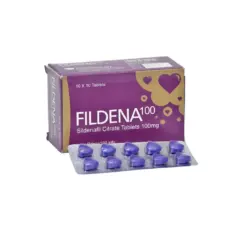
Fildena 100
Price range: $83.00 through $214.00 Select options This product has multiple variants. The options may be chosen on the product page -
 Sildenafil
Cenforce Oral Jelly
Price range: $28.00 through $115.00 Select options This product has multiple variants. The options may be chosen on the product page -
 Sildenafil
Super Kamagra Oral Jelly
Price range: $21.50 through $115.00 Select options This product has multiple variants. The options may be chosen on the product page
Treatment Options for Erectile Dysfunction
The good news? ED is treatable. Once the cause is identified, your doctor can recommend a personalized solution:
a) Lifestyle Changes
- Quit smoking and limit alcohol.
- Exercise regularly to improve circulation.
- Maintain a healthy weight.
- Manage stress with relaxation techniques like yoga or meditation.
b) Prescription Medications
Drugs like sildenafil (Viagra), tadalafil (Cialis), or vardenafil (Levitra) help improve blood flow to the penis. These are effective for many men but must be used under medical supervision.
c) Hormone Therapy
If low testosterone is detected, hormone replacement therapy might help.
d) Counseling or Therapy
If anxiety, depression, or relationship issues contribute to ED, therapy with a psychologist or sex therapist can be very beneficial.
e) Medical Devices and Surgery
For severe cases, vacuum erection devices, penile injections, or implants may be recommended. These are usually considered when other treatments don’t work.
Can ED Be Prevented?
While not every case is preventable, many lifestyle habits reduce your risk:
- Eat a heart-healthy diet rich in fruits, vegetables, and whole grains.
- Stay physically active to improve circulation.
- Get regular checkups to manage chronic health conditions.
- Limit stress through mindfulness, hobbies, or therapy.
FAQs about Erectile Dysfunction (ED)
Ans: Erectile dysfunction is when you regularly have difficulty getting or keeping an erection firm enough for sexual activity. Occasional issues are normal, but frequent problems may indicate an underlying health or psychological condition.
Ans: Not necessarily. While ED is more common with age because of health conditions like diabetes or high blood pressure, it isn’t an inevitable part of growing older. Healthy lifestyle habits can reduce your risk.
Ans: Yes. Mental health factors such as stress, performance anxiety, and depression can interfere with sexual function even if there’s no physical problem. Counseling or therapy can help.
Ans: Conditions affecting blood flow or nerve function — such as heart disease, high cholesterol, diabetes, high blood pressure, obesity, and neurological disorders — are common causes. Hormonal imbalances, such as low testosterone, can also play a role.
Ans: Some antidepressants, blood pressure medicines, and prostate drugs can contribute to ED. If you suspect your medication is causing problems, consult your doctor before making any changes.