
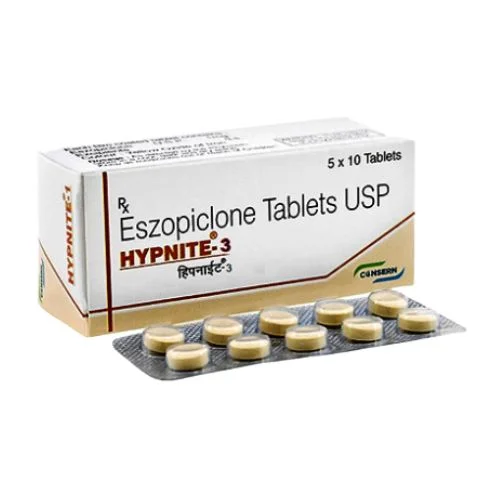
Hypnite 3 mg is a prescription medication that contains Eszopiclone, which is primarily used for the treatment of insomnia. Insomnia is a sleep disorder that makes it difficult for individuals to fall asleep, stay asleep, or achieve restorative sleep. Hypnite 3 mg works by regulating brain activity and promoting relaxation, helping patients sleep more effectively. It is particularly beneficial for those who frequently wake up during the night or have trouble initiating sleep.
What is Hypnite 3 mg?
Hypnite 3 mg tab belongs to a class of medications known as non-benzodiazepine hypnotics, often referred to as “Z-drugs.” The active ingredient, Eszopiclone in 3mg, binds to GABA receptors in the brain. By enhancing the effects of the neurotransmitter gamma-aminobutyric acid (GABA), it slows down brain activity, making it easier to fall asleep and maintain uninterrupted sleep. Unlike traditional sedatives, Hypnite is designed to minimize next-day drowsiness and dependence when used as directed by a healthcare professional.
Benefits of Hypnite 3 mg
Hypnite 3mg helps patients fall asleep faster, maintain uninterrupted sleep, and wake up feeling refreshed. Improved sleep quality positively affects energy levels, mood, and cognitive function, contributing to overall well-being.
How Hypnite 3 mg Works
The medication works by calming the central nervous system. By increasing GABA activity, it reduces excessive brain activity that can interfere with sleep. This calming effect allows the body and mind to relax, facilitating both sleep onset and continuous sleep throughout the night. Patients often notice improved restfulness and a reduction in nighttime awakenings, which contributes to better energy and focus during the day.
Uses of Hypnite 3 mg
Hypnite 3mg eszopiclone tab is prescribed primarily for managing insomnia. It helps patients who have difficulty falling asleep and those who wake up multiple times during the night. It is also used to improve overall sleep quality, ensuring deeper and more restorative sleep. By maintaining a proper sleep cycle, Hypnite 3 mg contributes to better mood, cognitive function, and overall health.
Dosage and Administration
The typical dosage for Hypnite 3 mg is one tablet taken orally just before bedtime. It should be taken when the patient is ready to sleep, ensuring a full seven to eight hours of rest. The medication is best absorbed on an empty stomach, and it is important not to exceed the prescribed dose, as higher doses can increase the likelihood of side effects. Alcohol or other sedatives should be avoided while taking Hypnite 3 mg to prevent excessive drowsiness. Patients should follow their doctor’s guidance carefully to adjust the dose based on individual sleep patterns and overall health.
How to Take Hypnite 3 mg
The tablet should be swallowed whole with a glass of water immediately before going to bed. Crushing, chewing, or breaking the tablet is not recommended, as it may affect the release and absorption of the medication. Maintaining a consistent bedtime routine and creating a quiet, dark, and comfortable sleep environment can enhance the effectiveness of Hypnite 3 mg. In case of a missed dose, patients should wait until their next scheduled bedtime and avoid doubling the dose.
Side Effects of Hypnite 3 mg
Like any medication, Hypnite eszopiclone 3mg tablets may cause side effects, although not everyone experiences them. Common side effects include drowsiness during the day, dizziness, headache, an unpleasant taste in the mouth, and fatigue. Severe side effects are rare but may include memory problems, confusion, hallucinations, allergic reactions, or difficulty breathing and swallowing. Patients experiencing serious side effects should stop taking the medication and consult a healthcare professional immediately.
Strength and Substitutes
Precautions and Warnings
Hypnite 3 mg Eszopiclone should only be used under medical supervision. Pregnant or breastfeeding women should take it only if prescribed by a doctor. Activities that require alertness, such as driving or operating machinery, should be avoided until the effects of the medication are known. Patients with liver or kidney problems, depression, or a history of substance abuse should inform their doctor before starting Hypnite 3mg tab. Alcohol and other sedatives should be avoided, as they can increase drowsiness and impair coordination.
Drug Interactions
Hypnite 3 mg may interact with other medications, affecting its effectiveness or increasing the risk of side effects. Central nervous system depressants such as opioids or benzodiazepines, certain antibiotics or antifungal medications, and drugs that affect liver enzymes may interact with 3 mg Hypnite tablet. Patients should provide a full list of medications, supplements, and herbal products they are taking before starting treatment.
Storage Instructions
Hypnite should be stored at room temperature in a dry place, away from moisture and direct sunlight. It should be kept out of reach of children and pets, and it should not be used after the expiration date listed on the package.
Reviews
There are no reviews yet.