
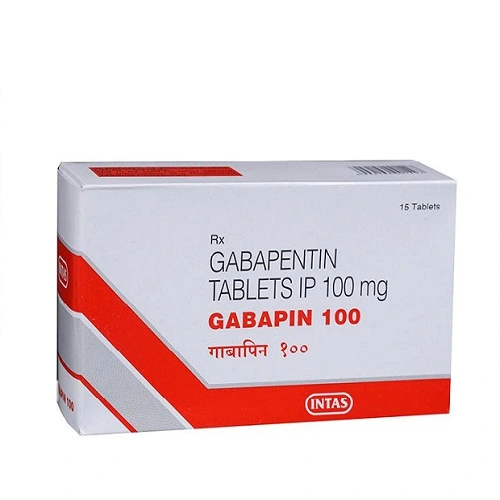
Gabapin 100 mg is a prescription medication used to treat neuropathic pain and seizure disorders. It contains Gabapentin as the active ingredient, which belongs to the class of anticonvulsant and antiepileptic medications. Gabapin 100 mg helps calm overactive nerves in the body, thereby reducing the intensity of pain signals and preventing seizures. It is commonly prescribed for conditions such as diabetic neuropathy, postherpetic neuralgia (pain after shingles), and as adjunct therapy for epilepsy.
What is Gabapin 100 mg?
Gabapin 100 mg contains Gabapentin, a medication that affects chemicals and nerves in the body involved in pain signals and seizure activity. Although structurally related to the neurotransmitter GABA (gamma-aminobutyric acid), Gabapentin works differently by binding to specific calcium channels in the nervous system. This helps to decrease the release of excitatory neurotransmitters that cause pain or trigger seizures.
Doctors prescribe Gabapin 100 mg primarily to manage chronic neuropathic pain and epileptic seizures. It is well-tolerated when taken under medical supervision and is often used as part of long-term treatment for nerve-related conditions.
How Does Gabapin 100 mg Work?
Gabapin 100 mg works by modulating calcium channel activity in nerve cells. In cases of nerve damage or hyperactivity, these calcium channels release excessive neurotransmitters that send pain or seizure signals to the brain. Gabapentin in Gabapin 100 mg binds to the alpha-2-delta subunit of these voltage-gated calcium channels, reducing the release of neurotransmitters such as glutamate.
This mechanism effectively reduces abnormal nerve activity, providing relief from neuropathic pain and controlling seizures. As a result, patients experience improved sleep, reduced pain intensity, and better quality of life.
Uses of Gabapin 100 mg
Gabapin 100 mg has several therapeutic applications and is used in treating the following conditions:
Neuropathic Pain:
Gabapin 100 mg is used to treat nerve pain caused by diabetes (diabetic neuropathy), shingles (postherpetic neuralgia), or spinal cord injuries. It helps alleviate symptoms such as burning, tingling, or sharp shooting pain.
Epilepsy and Seizures:
It is used as an adjunct therapy for controlling partial seizures in adults and children. When combined with other antiepileptic drugs, it helps reduce the frequency and intensity of seizures.
Postherpetic Neuralgia:
After shingles infection, many patients experience lingering nerve pain. Gabapin 100 mg helps relieve this discomfort effectively.
Other Off-label Uses:
In some cases, Gabapin 100 mg may be prescribed to treat conditions like fibromyalgia, anxiety, or restless legs syndrome (RLS), though these uses should only be under strict medical guidance.
Dosage and Administration
The dosage of Gabapin 100 mg varies depending on the patient’s condition, age, and medical response. The usual starting dose is 100 mg once or twice daily, which may be gradually increased by the doctor based on individual needs.
For neuropathic pain, the dose may be titrated slowly to ensure tolerance and effectiveness.
For epilepsy, Gabapin 100 mg is typically used as part of combination therapy and adjusted according to the patient’s response.
Gabapin 100 mg should be taken by mouth with or without food, as directed by your doctor. Swallow the capsule whole with water, without crushing or chewing it. It is important to take the medicine at the same time each day for consistent results.
Do not stop taking Gabapin 100 mg suddenly without consulting your doctor, as abrupt withdrawal may lead to withdrawal symptoms or worsening of seizures.
Possible Side Effects
Like all medications, Gabapin 100 mg can cause side effects, although not everyone experiences them. Most side effects are mild and temporary.
Common Side Effects:
-
Drowsiness or sleepiness
-
Dizziness or lightheadedness
-
Fatigue or weakness
-
Nausea or vomiting
-
Blurred vision
-
Tremors
Serious Side Effects (Seek immediate medical attention):
-
Mood changes or depression
-
Suicidal thoughts or behavior
-
Difficulty breathing or swallowing
-
Severe rash or allergic reaction
-
Persistent stomach pain or swelling of the face and lips
If you experience any severe side effects or unusual symptoms, consult your healthcare provider immediately.
Strength and Substitutes
Drug Interactions
Gabapin 100 mg may interact with certain medicines, altering its effectiveness or increasing the risk of side effects. Inform your doctor if you are taking:
-
Antacids containing aluminum or magnesium (they can reduce Gabapentin absorption).
-
Opioid painkillers like morphine or tramadol (may increase drowsiness).
-
CNS depressants or alcohol (can intensify dizziness and sedation).
-
Other antiepileptic drugs that may alter seizure control.
To ensure safety, always disclose your complete medication list, including herbal supplements and vitamins, before starting Gabapin 100 mg.
Precautions and Warnings
Patients should take Gabapin 100 mg only under medical supervision. Those with kidney disease or impaired renal function should inform their doctor, as dosage adjustments may be needed.
Avoid driving or operating machinery after taking Gabapin, as it may cause dizziness or drowsiness. Pregnant or breastfeeding women should consult their healthcare provider before using this medicine, as Gabapentin can pass into breast milk.
Alcohol should be avoided during treatment, as it can increase the sedative effects of Gabapin. If discontinuation is required, your doctor will gradually reduce the dose to prevent withdrawal symptoms.
Storage Information
Store Gabapin 100 mg in a cool, dry place at room temperature, away from moisture and direct sunlight. Keep the medicine out of reach of children and pets. Do not use it after the expiry date mentioned on the package.
Pros of Gabapin 100 mg
Gabapin 100 mg provides effective and long-lasting relief from neuropathic pain and helps control seizures. It is well-tolerated when taken as prescribed and significantly improves the quality of life for patients suffering from chronic nerve-related disorders.
Cons of Gabapin 100 mg
Some users may experience mild dizziness, drowsiness, or blurred vision when starting the medication. It also requires gradual dose adjustment and should not be stopped suddenly. Additionally, it may interact with alcohol and sedative medicines.




Reviews
There are no reviews yet.