
Ivermectin
Showing 1–12 of 13 results
-
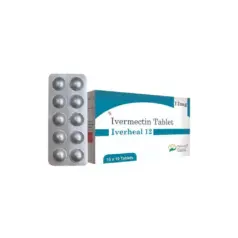 Ivermectin
Iverheal 12mg
Price range: $120.00 through $440.00 Select options This product has multiple variants. The options may be chosen on the product page -
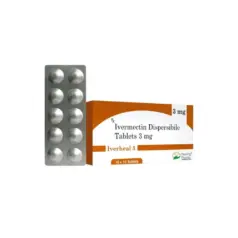 Ivermectin
Iverheal 3 mg
Price range: $85.00 through $349.00 Select options This product has multiple variants. The options may be chosen on the product page -
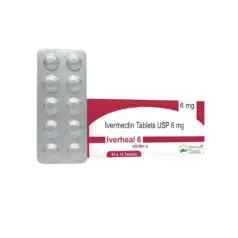 Ivermectin
Iverheal 6 MG
Price range: $100.00 through $420.00 Select options This product has multiple variants. The options may be chosen on the product page -
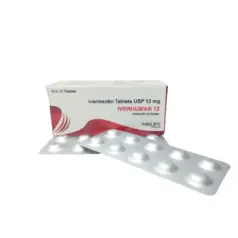 Ivermectin
Iverhuman 12mg
Price range: $120.00 through $300.00 Select options This product has multiple variants. The options may be chosen on the product page -
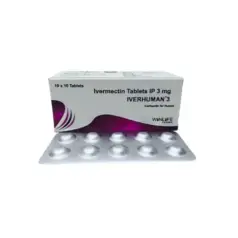 Ivermectin
Iverhuman 3mg
Price range: $72.00 through $185.00 Select options This product has multiple variants. The options may be chosen on the product page -
 Ivermectin
Iverhuman 6mg
Price range: $75.00 through $185.00 Select options This product has multiple variants. The options may be chosen on the product page -
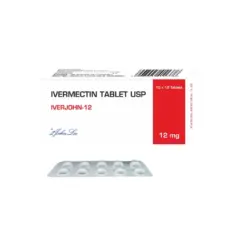 Ivermectin
Iverjohn 12mg
Price range: $75.00 through $185.00 Select options This product has multiple variants. The options may be chosen on the product page -
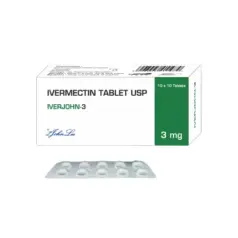 Ivermectin
Iverjohn 3mg
Price range: $70.00 through $200.00 Select options This product has multiple variants. The options may be chosen on the product page -
 Ivermectin
Iverjohn 6mg
Price range: $75.00 through $185.00 Select options This product has multiple variants. The options may be chosen on the product page -
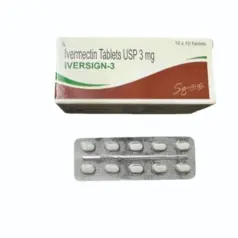 Ivermectin
Iversign 3mg
Price range: $60.00 through $260.00 Select options This product has multiple variants. The options may be chosen on the product page -
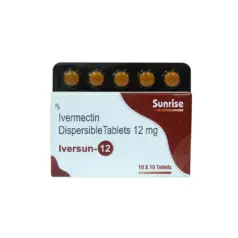 Ivermectin
Iversun 12mg
Price range: $122.85 through $455.00 Select options This product has multiple variants. The options may be chosen on the product page -
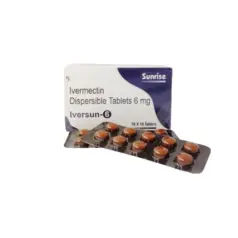 Ivermectin
Iversun 6
Price range: $70.00 through $195.00 Select options This product has multiple variants. The options may be chosen on the product page
Ivermectin is a widely used antiparasitic medication with a long-standing reputation for treating a variety of parasitic infections in humans and animals. First introduced in the late 1970s and derived from a naturally occurring compound, Ivermectin has revolutionized global health by effectively controlling several neglected tropical diseases (NTDs).
In this guide, we’ll dive into everything you need to know about Ivermectin, including its approved uses, benefits, dosage, side effects, controversies, and comparisons with other antiparasitic drugs.
What is Ivermectin?
Ivermectin is a broad-spectrum antiparasitic agent used to treat infections caused by worms, lice, mites, and other parasites. It is available in both oral and topical forms and is listed on the World Health Organization’s (WHO) List of Essential Medicines.
Originally developed for veterinary use, Ivermectin was later approved for human use and has helped combat diseases like onchocerciasis (river blindness) and lymphatic filariasis in developing countries.
How Ivermectin Works
Ivermectin works by interfering with the nervous system of parasites. It binds to glutamate-gated chloride channels in nerve and muscle cells of the parasite, causing paralysis and eventual death of the organism.
Key Actions:
- Disrupts neurotransmission in parasites
- Paralyzes and kills parasites
- Prevents reproduction and spread
Ivermectin targets parasites, not human cells, which is why it’s generally safe when used as prescribed.
Approved Uses of Ivermectin
Ivermectin is FDA-approved and WHO-recommended for the treatment of multiple parasitic diseases. Here’s a breakdown of its primary medical uses:
1. Onchocerciasis (River Blindness)
Caused by Onchocerca volvulus, this disease leads to blindness and severe skin conditions. Ivermectin kills the microfilariae, helping prevent transmission.
2. Strongyloidiasis
An intestinal worm infection caused by Strongyloides stercoralis. Ivermectin is the first-line treatment.
3. Scabies
A skin infestation caused by mites. Oral Ivermectin is often used when topical treatments fail or in severe cases (e.g., crusted scabies).
4. Lice Infestation
Particularly effective against head lice. Often prescribed when topical treatments are ineffective.
5. Lymphatic Filariasis
A mosquito-borne parasitic disease causing swelling in limbs. Ivermectin, combined with Albendazole, is used in mass drug administration.
6. Ascariasis, Trichuriasis, and Other Helminthic Infections
Ivermectin is occasionally used off-label for various worm infections.
Ivermectin Dosage Guidelines
Dosage depends on the condition being treated, weight, and patient profile. Always consult a healthcare provider.
General Adult Dosage (Oral Form):
| Condition | Dosage |
|---|---|
| Strongyloidiasis | 200 mcg/kg as a single dose |
| Onchocerciasis | 150 mcg/kg every 6–12 months |
| Scabies | 200 mcg/kg once, repeat in 1–2 weeks if needed |
| Head lice | 200–400 mcg/kg, repeat after 7–10 days |
How to Take Ivermectin
- Take on an empty stomach with a full glass of water.
- Do not take with high-fat meals unless instructed, as it may increase absorption.
- For best results, complete the full course, even if symptoms improve early.
Benefits of Ivermectin
Ivermectin is an antiparasitic medication that has been used worldwide for decades. It works by paralyzing and killing certain parasites, making it highly effective in treating a variety of parasitic infections. Its benefits are well-documented in both human and veterinary medicine.
1. Proven Treatment for Parasitic Infections
- Onchocerciasis (river blindness): Ivermectin reduces microfilariae (larval parasites) in the skin and eyes, helping prevent blindness.
- Lymphatic filariasis (elephantiasis): When combined with other antiparasitics, it helps reduce parasite burden and disease transmission.
- Strongyloidiasis and other intestinal worms: Effective against threadworms and some other soil-transmitted helminths.
- Scabies: Used orally or topically for severe or crusted scabies when standard topical therapy is insufficient.
2. Community Health Impact
- Mass drug administration programs: Ivermectin has been central to global campaigns to control and even eliminate onchocerciasis and lymphatic filariasis in many countries.
- Improved quality of life: By reducing parasitic disease burden, it helps communities remain healthier and more productive.
3. Good Safety Profile When Used Correctly
- Well-tolerated: Most people experience only mild side effects such as dizziness or fatigue.
- Single-dose convenience: For many conditions, one or two doses are enough, improving compliance.
- Use in children and older adults: Generally safe when dosed according to body weight.
4. Veterinary Applications
- Animal health: Ivermectin is widely used in livestock and pets to control worms, mites, and other parasites, improving animal health and productivity.
Important Note
Ivermectin should be used only under medical supervision and for approved indications. Misuse or taking it for unproven purposes can lead to toxicity or drug resistance.
Medicines that contain Ivermectin
Side Effects of Ivermectin
While Ivermectin is generally safe, some people may experience side effects:
Common Side Effects:
- Dizziness or lightheadedness
- Nausea or vomiting
- Diarrhea
- Headache
- Fatigue
Less Common (Usually from parasite die-off):
- Itching or rash
- Fever or swollen lymph nodes
- Joint or muscle pain
- Tachycardia (fast heart rate)
Rare But Serious:
- Low blood pressure
- Vision problems
- Seizures
- Liver damage (rare)
Seek medical help if you experience severe allergic reactions, difficulty breathing, or neurological symptoms.
Who Should Avoid Ivermectin?
Avoid or use caution with Ivermectin if you:
- Are allergic to Ivermectin or its components
- Have severe liver disease
- Are pregnant or breastfeeding (use only if clearly needed)
- Are taking medications that interact (e.g., warfarin, barbiturates)
Drug Interactions
Ivermectin may interact with:
- Warfarin – can increase bleeding risk
- Sedatives or alcohol – may enhance dizziness or drowsiness
- Certain antifungals or HIV medications – may alter Ivermectin metabolism
Always inform your doctor about all medications and supplements you are taking.
Ivermectin vs. Other Antiparasitic Drugs
| Drug | Use | Advantages |
|---|---|---|
| Ivermectin | Broad-spectrum parasites | Fast-acting, oral/topical, cost-effective |
| Albendazole | Worm infections | Often used in combination therapy |
| Mebendazole | Pinworms, whipworms | Good for intestinal infections |
| Permethrin | Scabies, lice (topical) | External use, minimal systemic absorption |
| Praziquantel | Schistosomiasis, tapeworms | Specific to flukes and cestodes |
Buying Ivermectin Online: What to Know
Due to its popularity and controversy, Ivermectin has become widely available online. However, caution is crucial.
Tips for Safe Purchase:
- Use licensed pharmacies or government-approved e-pharmacies
- Avoid websites selling “veterinary Ivermectin” for human use
- Check for LegitScript or NABP certifications
Frequently Asked Questions (FAQs)
Q1. Is Ivermectin safe for humans?
Yes, when used at the recommended dosage and for approved indications. It has a long track record of safety.
Q2. Is it okay to take Ivermectin meant for animals?
Absolutely not. Animal formulations have different concentrations and additives that may be toxic to humans.
Q3. Can children take Ivermectin?
Yes, but only under medical supervision. Dosage is weight-based.
Q4. Can Ivermectin be used for acne or skin problems?
Topical Ivermectin is FDA-approved for rosacea, not acne. Consult a dermatologist.