
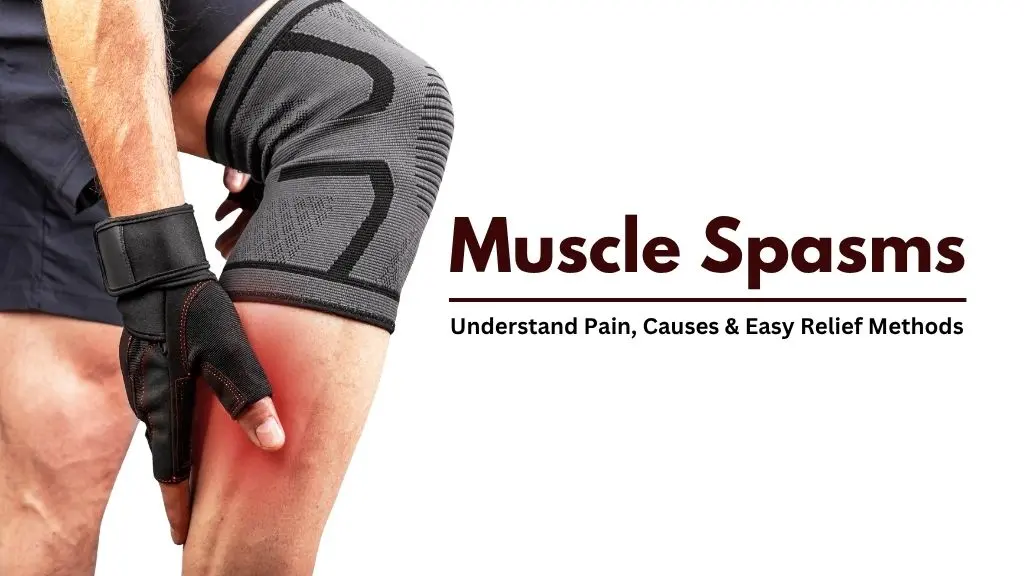
Muscle spasms are a common yet often painful condition that can affect anyone at any age. These sudden and involuntary muscle contractions can occur during physical activity, while resting, or even during sleep. In many cases, muscle spasm are harmless and temporary, but frequent or severe episodes can interfere with daily life and may indicate an underlying health issue.
Understanding muscle spasms in detail is important because it helps in identifying the root cause and choosing the right treatment. With proper care, lifestyle adjustments, and medical support when needed, muscle spasms can be effectively managed and even prevented.
What Are Muscle Spasms?
Muscle spasms, also known as muscle cramps, refer to sudden, involuntary contractions of one or more muscles. These contractions can cause the muscle to become tight, hard, and painful. The intensity of a muscle spasm can vary from mild discomfort to severe pain that temporarily limits movement.
Muscle spasms most commonly occur in the legs, especially in the calf muscles, but they can also affect the back, neck, arms, and even the hands. In some cases, the muscle may visibly twitch or bulge under the skin during the spasm.
These spasms usually last for a few seconds to several minutes. However, even after the spasm stops, the affected muscle may remain sore or sensitive for hours or even days.
Causes of Muscle Spasms
There are several reasons why muscle spasms occur, and in many cases, more than one factor may be involved. Identifying the cause is key to preventing future episodes.
Muscle Overuse and Fatigue
One of the most common causes of muscle spasms is overuse of muscles. Intense physical activity, heavy lifting, or prolonged exercise can tire the muscles, making them more likely to contract involuntarily. Athletes and people who perform physically demanding tasks are especially at risk.
Dehydration
Proper hydration is essential for muscle function. When the body loses too much fluid, especially through sweating, it can disrupt the balance of electrolytes. This imbalance can trigger muscle spasm, particularly during hot weather or after intense exercise.
Electrolyte Imbalance
Minerals such as potassium, calcium, magnesium, and sodium play a crucial role in muscle contraction and relaxation. A deficiency in any of these electrolytes can interfere with normal muscle function and lead to cramps and spasms.
Poor Blood Circulation
Reduced blood flow to the muscles can also cause spasms. This often happens during exercise when the muscles do not receive enough oxygen. It can also occur in individuals with circulatory issues.
Nerve Compression
Conditions such as a herniated disc or spinal problems can put pressure on nerves that control muscles. This nerve compression can lead to muscle spasms, particularly in the back or legs.
Medical Conditions
Certain medical conditions like diabetes, kidney disease, and neurological disorders may increase the likelihood of muscle spasms. In such cases, spasms may be more frequent and severe.
Symptoms of Muscle Spasms
Muscle spasm are usually easy to identify due to their sudden onset and noticeable discomfort. The most common symptom is a sharp, intense pain in the affected muscle. The muscle may feel tight, hard, or knotted when touched.
In some cases, you may notice visible twitching or movement under the skin. The affected area may temporarily lose flexibility or range of motion, making it difficult to move normally.
After the spasm subsides, it is common to experience lingering soreness or tenderness in the muscle. This discomfort may last for several hours or even a few days, depending on the severity of the spasm.
Muscle Spasm Treatment Options
Treatment for muscle spasms depends on the underlying cause and severity. In most cases, simple home remedies are enough to relieve the discomfort, but medical treatment may be required for persistent or severe cases.
Immediate Relief Methods
When a muscle spasm occurs, gentle stretching of the affected muscle can help relax it and reduce pain. Massaging the area can also improve blood flow and ease tension. Applying heat, such as a warm towel or heating pad, can relax tight muscles, while ice packs may help reduce inflammation and pain.
Medications
For more severe muscle spasms, doctors may prescribe medications such as muscle relaxants, pain relievers, or anti-inflammatory drugs. These medications work by reducing muscle tension and relieving pain, making it easier for the body to recover.
Hydration and Nutrition
Maintaining proper hydration is one of the simplest and most effective ways to prevent and treat muscle spasm. Drinking enough water and consuming a balanced diet rich in essential minerals can help maintain proper muscle function.
Natural Remedies
Natural approaches such as magnesium supplements, herbal teas like chamomile, and warm baths can also help relax muscles and reduce the frequency of spasms. These methods are especially useful for mild cases.
Role of Muscle Relaxants
Muscle relaxants play an important role in managing muscle spasms, particularly when they are caused by injuries, nerve issues, or chronic conditions. These medications work by affecting the central nervous system, helping to reduce muscle stiffness and prevent involuntary contractions.
While muscle relaxants can be effective, they should be used with caution and only under medical supervision. They may cause side effects such as drowsiness, dizziness, or fatigue. Long-term use is generally not recommended unless advised by a healthcare professional.
Prevention Tips for Muscle Spasms
Preventing muscle spasms is often possible with simple lifestyle changes and healthy habits. Staying hydrated throughout the day is essential, especially during hot weather or physical activity. Regular stretching helps keep muscles flexible and reduces the risk of cramps.
It is also important to avoid overexertion and give your muscles enough time to rest and recover after exercise. Maintaining a balanced diet rich in potassium, calcium, and magnesium supports proper muscle function.
Good posture and proper ergonomics during daily activities can also prevent unnecessary strain on muscles. Warming up before exercise and cooling down afterward further reduces the risk of spasms.
When to See a Doctor
Although most muscle spasms are harmless and temporary, there are situations where medical attention is necessary. If muscle spasms occur frequently, are extremely painful, or do not improve with home treatment, it is important to consult a doctor.
You should also seek medical advice if spasms are accompanied by muscle weakness, swelling, or redness, or if they interfere with your daily activities. In some cases, muscle spasms may be a sign of an underlying medical condition that requires proper diagnosis and treatment.
Conclusion
Muscle spasms are a common condition that can range from mild discomfort to severe pain. They are often caused by factors such as muscle overuse, dehydration, or electrolyte imbalance, but they can also be linked to more serious health issues.
By understanding the causes and symptoms, and by following proper treatment and prevention strategies, you can effectively manage muscle spasms and reduce their occurrence. Simple lifestyle changes, along with medical support when needed, can make a significant difference in maintaining muscle health and overall well-being.
FAQs About Muscle Spasms
The most common causes of muscle spasms include dehydration, muscle fatigue, and electrolyte imbalance, all of which can disrupt normal muscle function and lead to sudden contractions.
Muscle spasms typically last from a few seconds to several minutes, but in some cases, the affected muscle may remain sore or tender for a longer period.
In most cases, muscle spasms are not serious and resolve on their own, but frequent or severe spasms may indicate an underlying health issue that requires medical attention.
The fastest way to relieve a muscle spasm is by gently stretching the affected muscle, massaging the area, and applying heat to help relax the muscle.
Muscle relaxants can be effective in reducing muscle tension and pain, especially in severe cases, but they should only be used under a doctor’s supervision.