
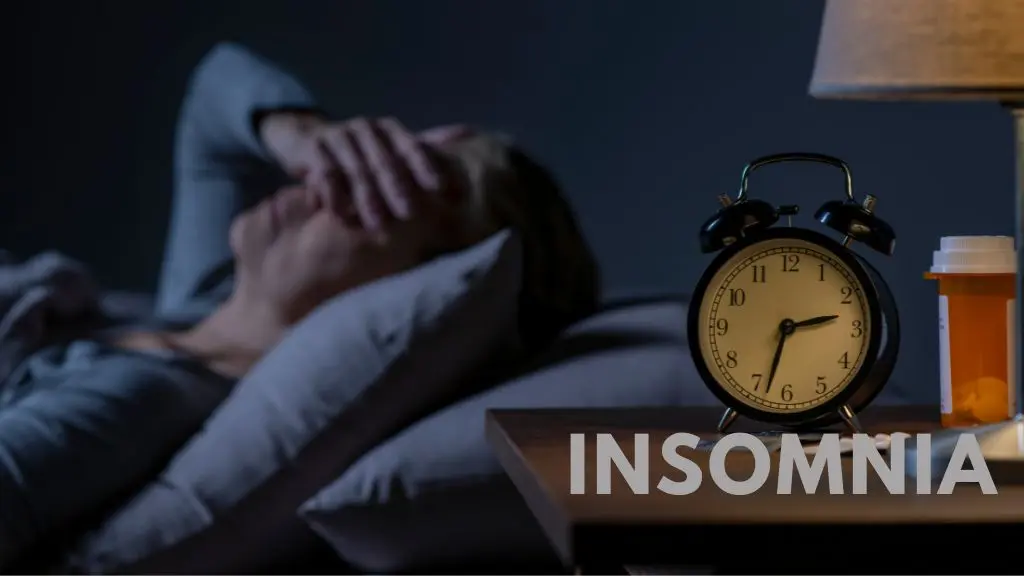
What is Insomnia and Sleep Problems?
Insomnia is a sleep disorder where you have trouble falling asleep, staying asleep, or both. Sleep problems affect millions of people worldwide. If you struggle to get good sleep, you are not alone.
Sleep is when your body repairs itself and your mind rests. Without enough quality sleep, your body and mind suffer. Insomnia can be short-term (a few weeks) or long-term (months or years).
Types of Sleep Problems
- Sleep Onset Insomnia – Difficulty falling asleep when you first go to bed
- Sleep Maintenance Insomnia – Waking up during the night and cannot fall back asleep
- Early Morning Awakening – Waking up too early and cannot sleep again
Some people experience all three at different times.
How Common Are Sleep Problems?
Sleep problems are very common. Here are the facts:
- Millions of Americans struggle with insomnia every year
- Work stress and busy lifestyles cause many sleep problems
- Young professionals face increasing sleep issues
- Sleep problems affect work performance and health
- Poor sleep quality is growing in cities and towns
If you have sleep problems, you are among millions of Americans dealing with this issue.
Common Symptoms of Insomnia
If you have insomnia, you might notice:
- Difficulty falling asleep even though you are tired
- Waking up many times during the night
- Waking up too early in the morning
- Feeling tired and not refreshed after sleep
- Difficulty concentrating during the day
- Daytime fatigue and low energy
- Headaches or body aches from poor sleep
- Mood changes – becoming sad or angry
- Worrying about not getting sleep
Some symptoms are mild. Others are severe and affect your daily life.
Why Do You Get Sleep Problems? Main Causes
Lifestyle Factors
Irregular Sleep Schedule
- Going to bed at different times each night
- Waking up at different times
- No fixed routine
- Working night shifts
- Traveling across time zones
Stress and Anxiety
- Worry about work or studies
- Financial concerns
- Family problems
- Health worries
- Life changes or major decisions
Poor Sleep Habits
- Using phones or computers before bed
- Watching screens in your bedroom
- Drinking coffee or tea in the evening
- Eating heavy meals at night
- Exercising close to bedtime
Bedroom Environment Problems
- Room is too noisy
- Room is too bright
- Room is too hot or too cold
- Uncomfortable bed or pillow
Caffeine and Stimulants
- Drinking coffee after 3 PM
- Drinking tea with caffeine
- Energy drinks
- Chocolate or cola drinks
- Smoking before bed
Medical Conditions
Chronic Pain
- Back pain keeps you awake
- Neck pain or shoulder pain
- Joint pain or arthritis
- Muscle pain
Mental Health Issues
- Depression causes sleep problems
- Anxiety disorders
- PTSD or trauma
- Stress-related conditions
Other Medical Problems
- Asthma or breathing problems
- Acid reflux or GERD
- Heart problems
- Thyroid problems
- Diabetes complications
Treatment Options for Insomnia
The good news is that most sleep problems can be treated. Here are the main options:
Behavioral Treatments (Most Important)
Cognitive Behavioral Therapy for Insomnia (CBT-I)
- Works with a therapist to change sleep habits
- Identifies and fixes thoughts causing sleep problems
- Most effective long-term treatment
- No medicines needed
- Helps most people improve sleep
Lifestyle Changes
Regular Exercise
- Exercise 30 minutes most days
- Do NOT exercise close to bedtime
- Walking is excellent
- Yoga helps reduce anxiety
- Strength training builds better sleep
Foods That Help Sleep
- Warm milk with honey
- Banana (has melatonin)
- Almonds and nuts
- Whole grain bread
- Turkey (has tryptophan)
Sleep Environment Improvements
Make Your Bedroom Better
- Keep room dark (use blackout curtains)
- Keep room quiet (use earplugs if needed)
- Keep room cool (16-19°C is ideal)
- Use comfortable bed and pillows
- Good mattress is important (replace every 7-10 years)
- Remove TV and work from bedroom
Create Sleep Routine
Before Bed Routine (30-60 minutes)
- Stop working 1-2 hours before bed
- Avoid stressful conversations
- Do relaxing activities like reading, meditation
Fixed Sleep Schedule
- Go to bed at same time every day
- Wake up at same time every day
- Keep same schedule even on weekends
Relaxation Techniques
Deep Breathing
- Breathe in slowly for 4 counts
- Hold for 4 counts
- Breathe out for 4 counts
- Repeat 10 times – calms your nervous system
Progressive Muscle Relaxation
- Tense each muscle group for 5 seconds
- Then relax for 10 seconds
- Start from toes and move up to head
Meditation and Mindfulness
- Focus on breathing
- Notice thoughts without judgment
- Brings mind to present moment
Prevention: Better Sleep Before Problems Start
Preventing sleep problems is easier than treating them. Here are smart steps:
Key Prevention Steps
- Maintain Consistent Sleep Schedule
- Exercise Regularly
- Manage Stress
- Optimize Bedroom Environment
- Eat Healthy Foods
- Limit Screen Time Before Bed
- Manage Caffeine Intake
- Avoid Alcohol and Smoking
- Practice Relaxation Before Bed
- See Doctor Regularly
When to See a Doctor: Important Warning Signs
Go to a doctor if:
- Sleep problems last more than 2-3 weeks
- You feel very tired during the day
- Sleep problems affect your work or daily activities
- You are snoring loudly or gasping for breath at night
- You are using sleep medicines regularly
- Sleep problems are getting worse
FAQs: Answers to Your Common Questions
Q1. How long does it take to fix insomnia?
Ans. Mild insomnia improves in 2-4 weeks with behavioral changes. Chronic insomnia may take 8-12 weeks. Consistency is more important than speed.
Q2. Is insomnia dangerous?
Ans. Chronic insomnia is not immediately dangerous, but it affects your health over time. It increases risk of heart disease, diabetes, and depression.
Q3. Should I take sleeping pills?
Ans. Sleeping pills should be short-term only (2-4 weeks). They are not a permanent solution. Behavioral changes are more effective long-term.
Q4. How much sleep do I need?
Ans. Adults need 7-9 hours per night. Some people need 6 hours, others need 10. Your age and health affect how much you need.
Q5. Is melatonin safe?
Ans. Melatonin is natural and generally safe short-term. Long-term safety is not fully studied. Start with low dose (0.5-3 mg). Talk to doctor about your age and health.
Q6. Can exercise make insomnia worse?
Ans. Exercise close to bedtime can keep you awake. Exercise 4-6 hours before bed instead. Regular daytime exercise improves sleep.
Q7. Why do I sleep well on vacation?
Ans. Vacation reduces stress and allows regular sleep schedule. You rest better in relaxed environment. This shows your insomnia is often stress-related, not physical.
Take Action Today
If you have sleep problems:
- Track your sleep – keep a sleep diary for 1 week
- Change bedtime habits – no screens before bed
- Improve bedroom – dark, cool, quiet
- Exercise regularly – helps sleep quality
- Manage stress – try relaxation techniques
- Eat healthy – especially dinner timing
- See your doctor – if problems continue
- Be patient – sleep improvement takes time
Better sleep is possible for you. Talk to your doctor today about your sleep problems.
About This Information
This blog post provides general health information about sleep problems and insomnia. It is not medical advice. Always talk to your doctor before starting new exercises, medicines, or making big changes to your sleep routine.
Every person’s sleep problems are different. What works for one person might not work for another. Your doctor can create a treatment plan for your specific situation.
Last Updated: April 2026
This information is for educational purposes. Consult with a healthcare professional for personal medical advice.