

The dosage of Gabantin 100 mg depends on the patient’s medical condition, age, and response to treatment. Typically, the starting dose is 100 mg once or twice daily, which may be gradually increased under medical supervision. For adults with neuropathic pain, the usual dosage ranges from 100 mg to 300 mg per day, adjusted as per response. For epilepsy, the initial dose may start at 300 mg on the first day, followed by gradual titration. In children, the dosage is determined by body weight and age, prescribed by a pediatric specialist. It’s crucial to take Gabantin exactly as prescribed by your doctor and not to stop the medication suddenly without consulting your healthcare provider, as it may lead to withdrawal symptoms or worsening of seizures.
How to Take Gabantin 100 mg
Gabantin 100 mg should be taken orally with or without food, as directed by your doctor. The capsule should be swallowed whole with a glass of water. For consistent results, take it at the same time every day. If a dose is missed, it should be taken as soon as you remember unless it’s almost time for your next dose. Do not double the dose to make up for a missed one.
Possible Side Effects
Like all medications, Gabantin 100 mg can cause side effects, though not everyone experiences them. Most side effects are mild and temporary.
Common Side Effects:
- Drowsiness or fatigue
- Dizziness or lightheadedness
- Blurred vision
- Uncoordinated movements
- Nausea or vomiting
Serious Side Effects (Seek medical help immediately):
- Severe mood changes, depression, or suicidal thoughts
- Difficulty breathing or swelling of the face/lips
- Persistent stomach pain or severe weakness
- Allergic reactions such as rash or itching
If you experience any unusual symptoms or discomfort while taking Gabantin, inform your doctor promptly.
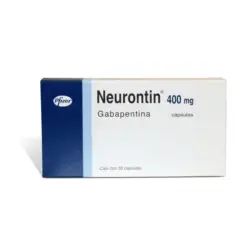
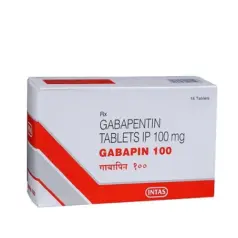
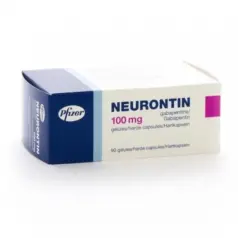
Strength and Substitutes
Drug Interactions
Gabantin 100 mg may interact with certain medications and substances. Inform your healthcare provider if you are taking antacids containing aluminum or magnesium, as they may reduce Gabapentin absorption. Opioid painkillers such as morphine or tramadol, sedatives, or sleeping pills may increase the risk of drowsiness and dizziness. Alcohol should also be avoided while taking this medicine, as it can intensify the side effects. Always provide a full list of medications, supplements, and herbal products you are using to your healthcare provider.
Precautions and Warnings
Gabantin 100 mg should be used with caution in specific situations. Pregnant and breastfeeding women should take this medication only if prescribed by a doctor. Patients should avoid driving or operating heavy machinery, as Gabantin can cause dizziness or drowsiness. Those with kidney problems may require dosage adjustments, so it’s important to inform the doctor of any existing kidney issues. Alcohol consumption should be avoided during the treatment period to prevent side effects like extreme drowsiness and loss of coordination.
Storage Instructions
Store Gabantin 100 mg at room temperature, away from moisture, heat, and direct sunlight. Keep the medicine out of reach of children and pets. Do not use the medication after the expiry date mentioned on the package, and store it in its original container to maintain quality and safety.
Pros of Gabantin 100 mg
Gabantin 100 mg provides effective relief from neuropathic pain and helps prevent and control seizures. It is well-tolerated by most patients and can be used for long-term treatment under proper medical supervision. It helps patients manage chronic nerve-related pain, improving sleep and overall well-being.
Cons of Gabantin 100 mg
Some users may experience dizziness and fatigue, especially when starting the medication. It requires gradual dose adjustment, and stopping it suddenly can lead to withdrawal symptoms or recurrence of pain. Therefore, medical supervision is essential while using Gabantin.


Reviews
There are no reviews yet.