
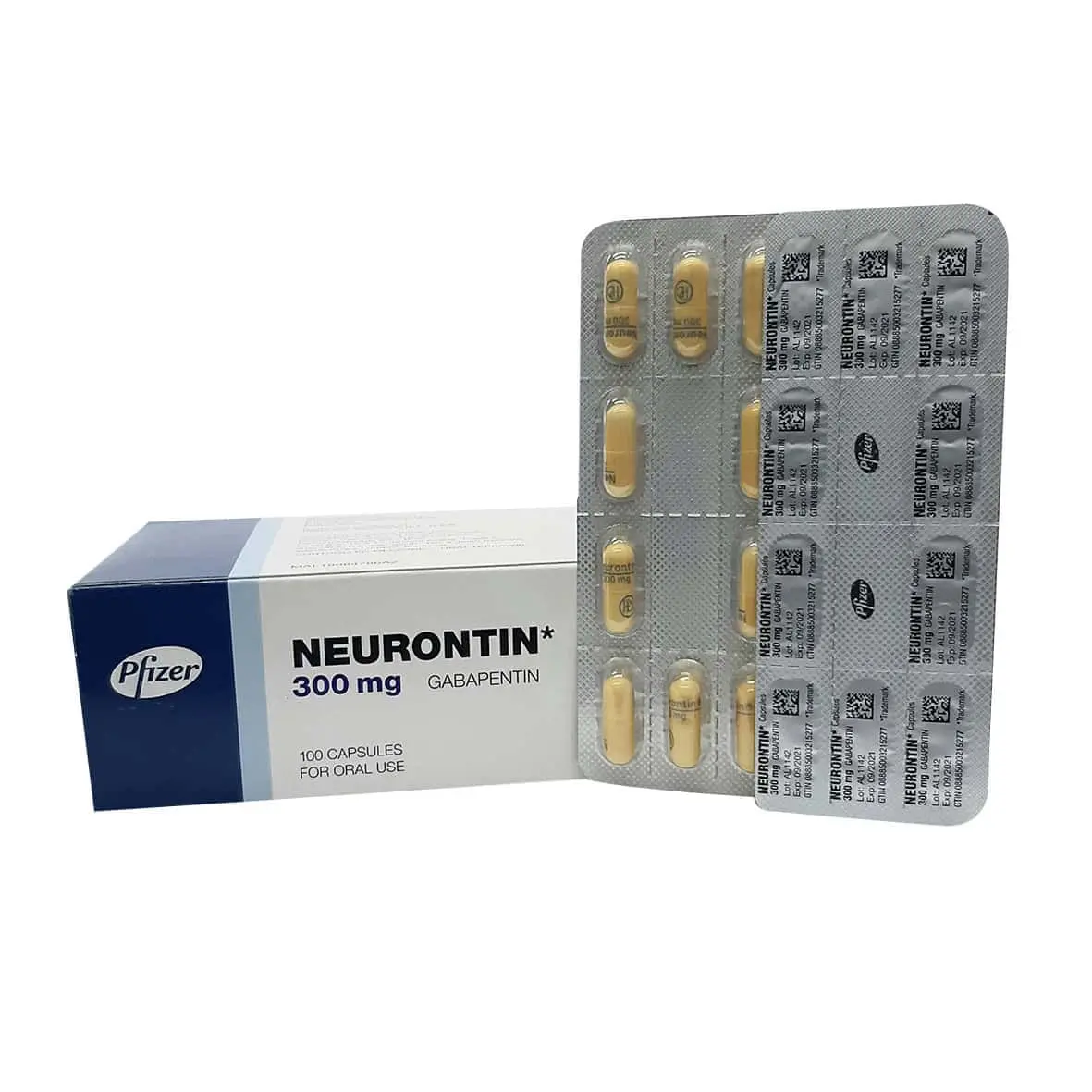
Neurontin 300 mg is a prescription medication used to treat neuropathic pain (nerve pain). It contains Gabapentin as its active ingredient, which belongs to a class of medicines known as anticonvulsants or antiepileptic drugs. In addition to nerve pain, Neurontin is also used in the management of conditions such as restless legs syndrome, fibromyalgia, and certain types of chronic nerve-related pain. It works by affecting the way nerves send signals to the brain, helping to reduce pain and discomfort.
How Neurontin 300 mg Works
Gabapentin, the main component of Neurontin, works by altering nerve activity in the brain and spinal cord. It binds to specific calcium channels in nerve cells, reducing the release of excitatory neurotransmitters responsible for pain and seizures. This mechanism helps to calm overactive nerves, decrease abnormal electrical activity, and reduce pain sensations caused by nerve damage.
Uses of Neurontin 300 mg
Neurontin 300 mg is prescribed for several medical conditions. The primary use is for epilepsy, where it helps control partial seizures in adults and children above three years of age. It is also effective in treating neuropathic pain, which occurs due to nerve damage caused by conditions like diabetes, shingles, or spinal cord injuries. Many physicians also recommend it for restless legs syndrome (RLS) to improve sleep quality and reduce discomfort. In certain cases, Neurontin may be used off-label for conditions such as migraine prevention, anxiety disorders, and fibromyalgia.
Dosage and Administration
The dosage of Neurontin 300 mg varies depending on the patient’s age, condition, and response to treatment. Typically, treatment begins with a low dose, such as 300 mg once daily, and is gradually increased to achieve the desired therapeutic effect. The maintenance dose usually ranges between 900 mg and 1800 mg per day, divided into two or three doses. It can be taken with or without food. The capsule should be swallowed whole with water, not crushed or chewed. Patients should take the medicine at the same time each day to maintain consistent levels in the bloodstream.
Important Usage Instructions
Neurontin should never be stopped abruptly, as sudden discontinuation may result in withdrawal symptoms or increased seizure activity. Any dose adjustment or discontinuation should only be done under a doctor’s supervision. If a dose is missed, it should be taken as soon as remembered unless it is nearly time for the next scheduled dose. In that case, the missed dose should be skipped and the regular dosing schedule resumed. Taking double doses to make up for a missed one should be avoided.
Possible Side Effects
Like all medications, Neurontin 300 mg may cause side effects, though not everyone experiences them. The most commonly reported side effects include dizziness, drowsiness, fatigue, and mild loss of coordination. Some patients may also experience blurred vision, swelling of the legs, weight gain, or nausea. These effects are often mild and temporary, improving as the body adjusts to the medicine. In rare cases, serious side effects such as depression, mood swings, suicidal thoughts, allergic reactions, or difficulty breathing may occur. Medical attention should be sought immediately if these symptoms develop.
Strength and Substitutes
Precautions and Warnings
Before starting Neurontin, patients should inform their healthcare provider about any pre-existing conditions, especially kidney problems, as dosage adjustments may be required. Elderly patients are generally more sensitive to the drug’s side effects, particularly dizziness and confusion. Those who consume alcohol or take other sedative medications should use Neurontin cautiously, as it may enhance drowsiness and impair concentration. Pregnant or breastfeeding women should consult their doctor before using Neurontin, as Gabapentin can pass into breast milk in small amounts, and its effects on infants are not fully known.
Drug Interactions
Neurontin may interact with other medications. Opioid painkillers, sleeping pills, and sedatives can increase the risk of drowsiness when used with Gabapentin. Antacids containing aluminum or magnesium can reduce the absorption of Neurontin if taken together, so they should be spaced at least two hours apart. It is important to inform your doctor of all prescription drugs, over-the-counter medicines, and supplements you are taking before starting treatment with Neurontin 300 mg.
Storage and Handling
Neurontin 300 mg should be stored at room temperature, below 25°C, away from moisture, heat, and direct sunlight. The capsules must be kept in their original packaging and out of reach of children and pets. The medicine should not be shared with others, even if they have similar symptoms, as dosage requirements differ from person to person.
When to Consult a Doctor
Patients should seek immediate medical help if they experience severe mood changes, suicidal thoughts, extreme dizziness, swelling, or allergic reactions such as rashes or difficulty breathing. Regular follow-up appointments are essential to monitor the effectiveness of the medication and adjust the dosage if required.
Effectiveness and Duration of Treatment
Neurontin 300 mg is not a typical painkiller and does not relieve common pain such as headaches or muscle aches. It is specifically designed for nerve-related pain. Some patients may begin to notice improvement within a few days, while others might require several weeks of regular use to experience full benefits. Consistency and adherence to prescribed dosage are key factors for effective results.
Summary
In conclusion, Neurontin 300 mg (Gabapentin) is a safe and effective medication for treating epilepsy, neuropathic pain, and restless legs syndrome. It works by calming nerve signals in the brain and spinal cord, helping to control seizures and alleviate chronic nerve pain. While the medication is generally well-tolerated, it should be used cautiously under medical supervision, especially by patients with kidney issues, the elderly, and those taking other sedatives. Regular monitoring and adherence to prescribed guidelines are essential for optimal therapeutic benefits and to minimize the risk of side effects.





Reviews
There are no reviews yet.