
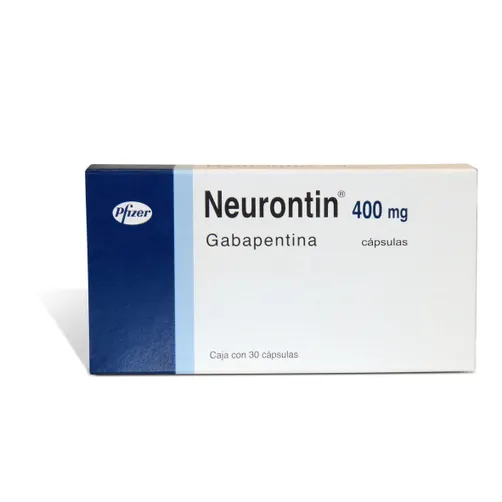
Neurontin 400 mg is mainly prescribed for two key purposes — controlling seizures in patients with epilepsy and relieving nerve pain caused by nerve damage. For epilepsy, it can be used as a monotherapy or as an adjunctive treatment alongside other antiepileptic drugs. It helps prevent the spread of seizure activity in the brain and reduces seizure frequency.
In addition to seizure control, Neurontin is highly effective in treating neuropathic pain, which occurs when nerves are damaged or malfunction. This includes pain from postherpetic neuralgia (after shingles), diabetic neuropathy, and sciatica. Many physicians also prescribe Neurontin off-label for restless legs syndrome, fibromyalgia, migraine prevention, and anxiety-related nerve pain, as it helps relax nerve impulses and promote better sleep and comfort.
How Neurontin 400 mg Works
Neurontin 400 mg works by altering the way nerves send messages to the brain. It binds to specific calcium channels in nerve cells, reducing the release of excitatory neurotransmitters that cause abnormal nerve firing. This helps in decreasing nerve sensitivity and stabilizing brain activity. While Gabapentin was originally developed as an anticonvulsant, it is now known to have strong analgesic properties for nerve pain conditions. By modulating nerve communication, Neurontin helps the brain and spinal cord maintain balanced electrical activity, thus preventing seizures and reducing chronic pain.
Dosage and Administration
The dosage of Neurontin 400 mg depends on the patient’s condition, medical history, and response to treatment. Doctors generally start with a lower dose and gradually increase it to reach the optimal therapeutic level. Neurontin can be taken with or without food, and it is important to take it at the same time every day to maintain consistent levels in the blood. The capsule should be swallowed whole with water and not crushed or chewed. If a dose is missed, it should be taken as soon as possible unless it is almost time for the next scheduled dose. Patients should never double a dose to make up for a missed one. Stopping Neurontin suddenly without consulting a doctor may lead to withdrawal symptoms or a recurrence of seizures.
Side Effects of Neurontin 400 mg
Most patients tolerate Neurontin well, but some may experience mild to moderate side effects during the initial phase of treatment. Common side effects include drowsiness, dizziness, fatigue, and coordination difficulties. Some patients may report blurred vision, swelling in the legs, weight gain, or tremors. These effects usually decrease as the body adjusts to the medication.
However, rare but serious side effects can occur, such as depression, mood changes, suicidal thoughts, allergic reactions, or breathing difficulties. If any severe or persistent side effects occur, immediate medical attention is recommended. Patients should also be monitored for any sudden behavioral changes, especially during the early stages of treatment or dose adjustments.
Strength and Substitutes
Precautions Before Taking Neurontin 400 mg
Before taking Neurontin 400 mg, it is important to inform your doctor about any medical conditions, especially kidney disease, mental health issues, or substance use history. Gabapentin is eliminated through the kidneys, so patients with kidney problems may require dose adjustments. The elderly may also be more sensitive to its effects, such as dizziness or confusion.
Pregnant and breastfeeding women should use Neurontin only if clearly prescribed, as it may pass into breast milk in small amounts. The medication can cause drowsiness and dizziness, so driving, operating machinery, or performing tasks that require mental alertness should be avoided until you know how the drug affects you. Alcohol and other sedatives should be avoided, as they can increase drowsiness and dizziness.
Drug Interactions
Neurontin 400 mg can interact with several medications. Antacids containing aluminum or magnesium can reduce Gabapentin absorption, so it is recommended to take Neurontin at least two hours after antacids. Opioids and sedatives may increase the risk of drowsiness or respiratory depression when combined with Gabapentin. Always inform your doctor about all prescription drugs, herbal supplements, and vitamins you are taking before starting Neurontin.
Storage and Safety Information
Neurontin 400 mg should be stored at room temperature, below 25°C, away from moisture, direct sunlight, and heat. Keep it in its original packaging and out of reach of children and pets. Do not share this medicine with others, even if they have similar symptoms, as dosage and treatment duration vary for each individual.
Patients are encouraged to attend regular medical checkups to monitor their progress and kidney function while using Neurontin long-term. Doctors may adjust the dosage depending on symptom control and side effects.


Reviews
There are no reviews yet.